
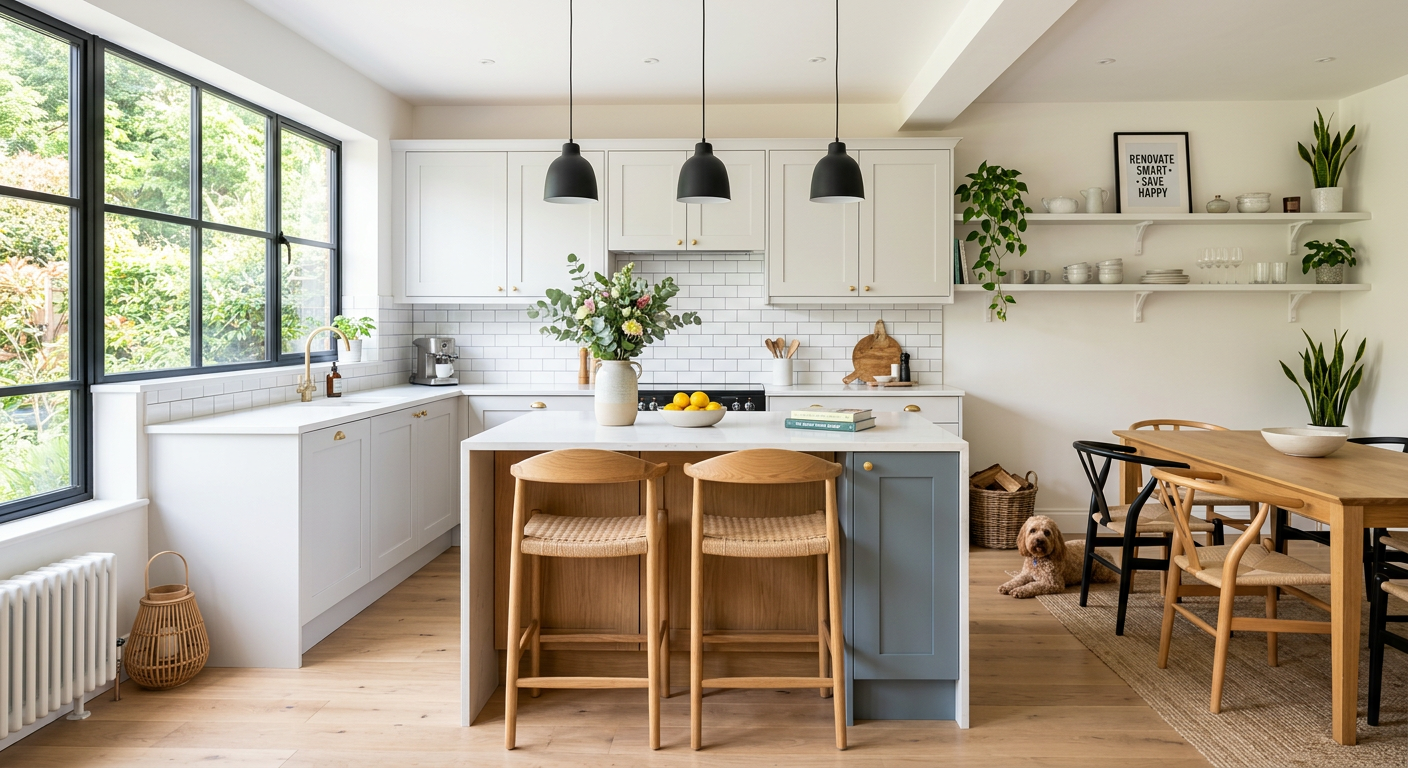
Are you considering a home renovation but unsure how to budget effectively? This guide will walk you through cost estimation, smart financing options, and hidden costs to be aware of, helping both beginners and seasoned homeowners navigate their renovation projects with confidence.
Budgeting for Home Renovations: Your Comprehensive Guide
Home renovations can be both exciting and daunting. Whether you’re updating a single room or embarking on a whole-house overhaul, understanding how to budget effectively is essential for a successful project. In this comprehensive guide, we’ll cover everything from cost estimation and where to splurge versus save, to financing options and hidden costs you might encounter.
Understanding Cost Estimation
Before you dive into a renovation project, having a clear picture of potential costs is crucial. However, estimating renovation costs can be tricky due to various factors. Here’s how to get started:
1. Research Average Costs
It’s beneficial to begin by researching the average costs for your type of renovation. Websites like HomeAdvisor or Remodeling Magazine provide cost guides based on recent data.
- Kitchen remodel: Average costs range from $20,000 to $50,000.
- Bathroom remodel: Average costs range from $10,000 to $25,000.
- Living room renovation: Average costs range from $5,000 to $15,000.
2. Create a Detailed Scope of Work
List everything you wish to change or upgrade in the space:
- Structural changes
- Flooring
- Fixtures
- Appliances
By detailing your scope, you can obtain more accurate estimates from contractors.
3. Factor in Labor Costs
Labor costs can take up a significant portion of your budget, often 20-35% of the total renovation cost. Hiring skilled labor tends to be more expensive but can save you money in the long run through better workmanship.
Splurge vs. Save: Where to Invest Your Money
Knowing where to cut costs and where it’s worth it to splurge can save you headaches and enhance the quality of your renovation.
Areas to Splurge:
- Kitchen: Often regarded as the heart of the home, splurging on quality cabinets, counters, and appliances can yield the best return on investment.
- Bathroom fixtures: High-quality taps and shower systems not only last longer but enhance your overall experience.
- Energy-efficient upgrades: Investing in better insulation, windows, and HVAC systems will save money over time through lower utility bills.
Areas to Save:
- Cosmetic updates: Consider DIY where possible. Painting walls, installing new hardware, or even refinishing cabinets can refresh your space without hefty costs.
- Non-essential spaces: If you're looking at unfinished basements or guest rooms, prioritize needs over wants. These can be updated later when your budget allows.
Financing Your Renovation
Once you have an estimated budget, it’s crucial to determine how you will finance your renovation. Here are some common options:
- Savings: The best option, if affordable, is using your savings to avoid debt.
- Home Equity Loan or Line of Credit (HELOC): These options are popular as they leverage the equity in your home, often with lower interest rates.
- Personal Loans: Ideal for smaller projects where you may not have a significant amount of equity.
- Credit Cards: Using a credit card is risky, but can be beneficial if you can manage payments and earn rewards, but this should be a last resort due to high-interest rates.
Example Financial Breakdown
For instance, if your kitchen renovation costs $30,000:
- You might pay $5,000 out-of-pocket (savings).
- Secure a $15,000 HELOC against your home’s equity.
- Take out a $10,000 personal loan for additional expenses.
Hidden Costs to Watch Out For
Every renovation project uncovers its fair share of hidden costs. Here’s what to keep an eye on:
- Permits and fees: Certain renovations, particularly structural changes, require permits that could cost anywhere from $50 to several hundred dollars.
- Unexpected repairs: As you demolish walls or remove fixtures, unforeseen issues such as plumbing leaks or outdated electrical systems may arise.
- Design and consultation fees: Hiring professionals for renovations may come with consultation fees that can add up quickly. For instance, an architectural designer might charge $100+ per hour.
- Contingency fund: Always set aside 10-20% of your total budget to cover unexpected expenses. If your budget is $30,000, that means an additional $3,000 to $6,000 should be allocated for surprises.
Conclusion
Budgeting for home renovations involves careful planning, skilful cost estimation, and a bit of foresight. By knowing where to splurge and where to save, securing the right financing, and remaining vigilant about hidden costs, you can transform your home without breaking the bank.
If you're ready to start your renovation journey or need professional insight on how to maximise your budget effectively, contact QuickFlipz today. Our experts are here to help guide you through every step! Together, we can bring your vision to life without the stress of unexpected costs.
Related Articles

Mastering the Art of Renovation: A Guide to Budgeting Without the Stress
Embarking on a home renovation project is exciting, but staying within budget is often the biggest challenge homeowners face. This guide explores smart cost estimation, strategic spending, and hidden costs to ensure your dream home doesn't become a financial nightmare.
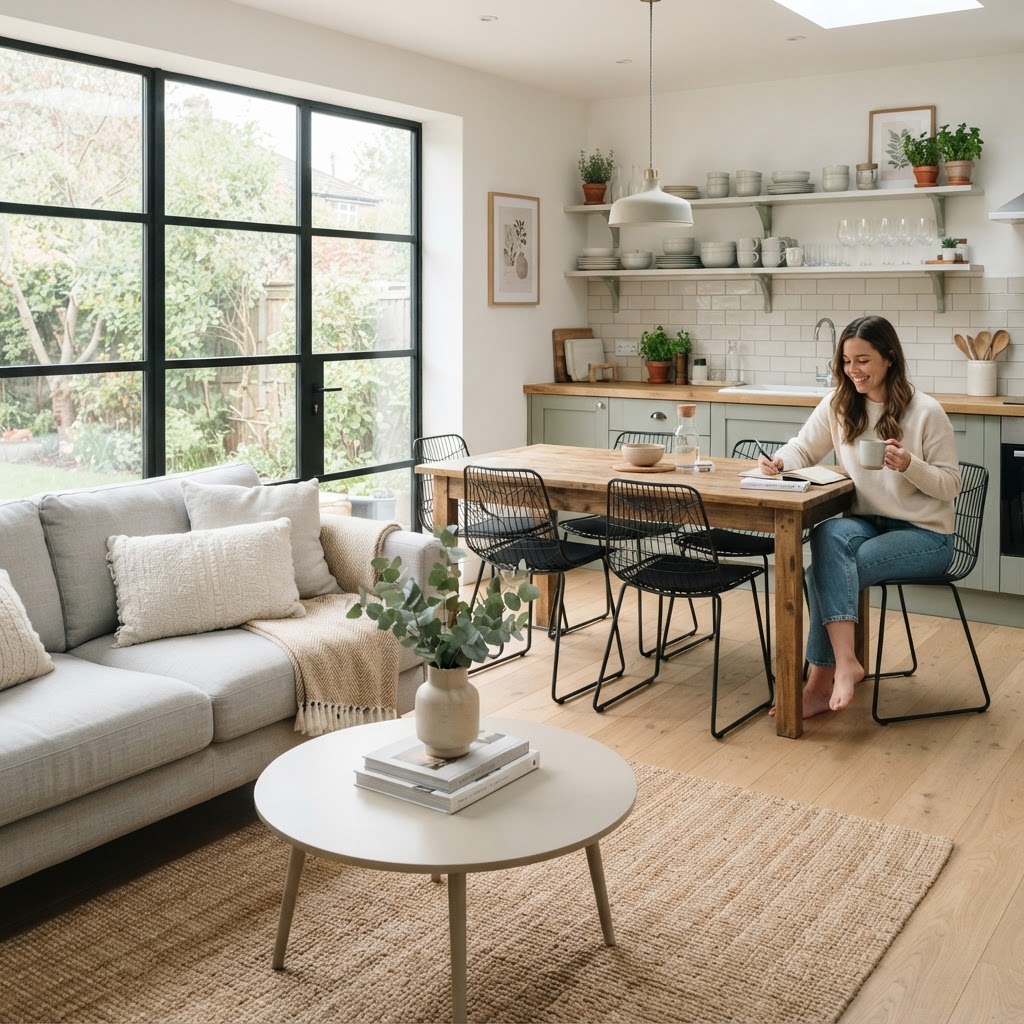
Renovate Without the Regret: The Ultimate Guide to Budgeting Your Home Makeover
Embarking on a home renovation is an exciting journey, but without a solid financial roadmap, costs can quickly spiral out of control. This guide walks you through effective budgeting strategies, hidden cost pitfalls, and smart ways to allocate your funds for maximum return on investment.
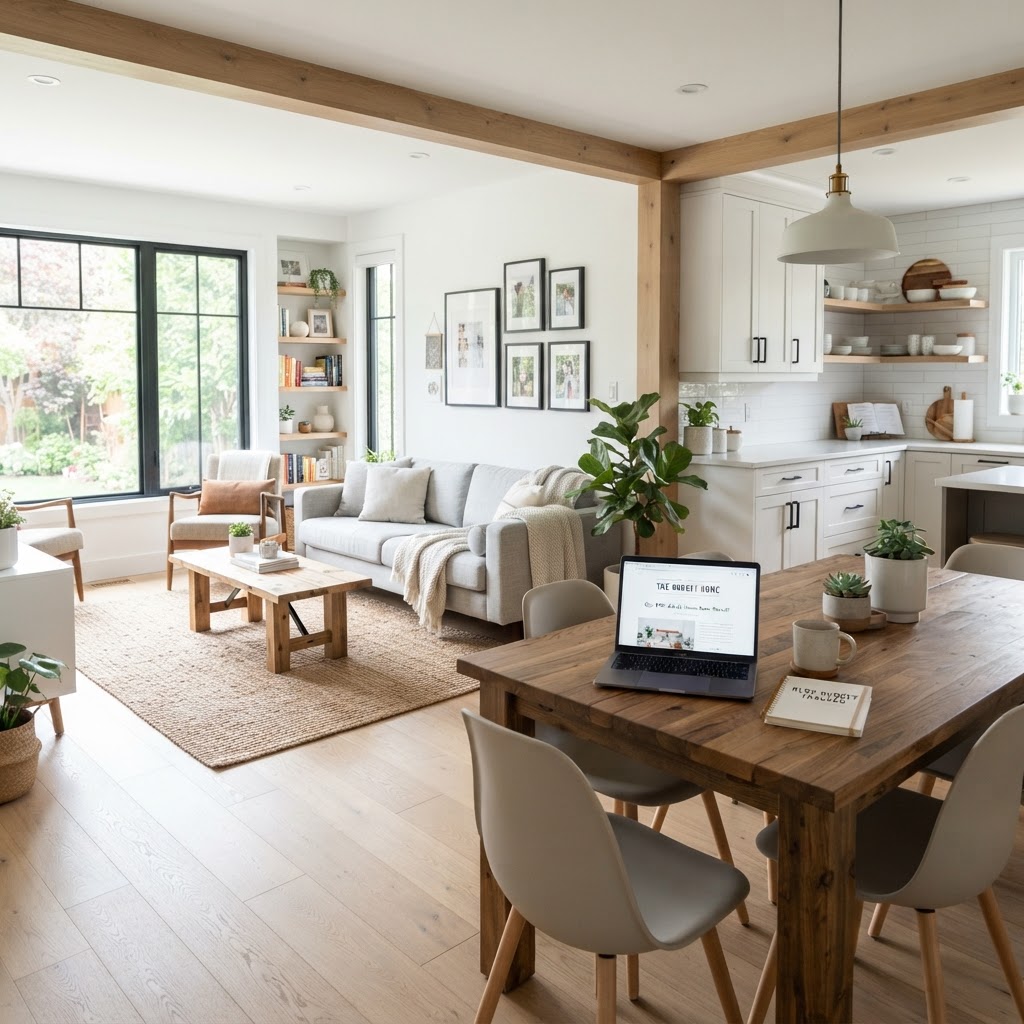
Mastering Your Home Renovation Budget: A Strategic Guide
Embarking on a home renovation is an exciting journey that can quickly become overwhelming without a solid financial plan. This guide breaks down the essential steps to estimate costs, identify where to invest versus save, and navigate hidden expenses to ensure your project stays on track.