
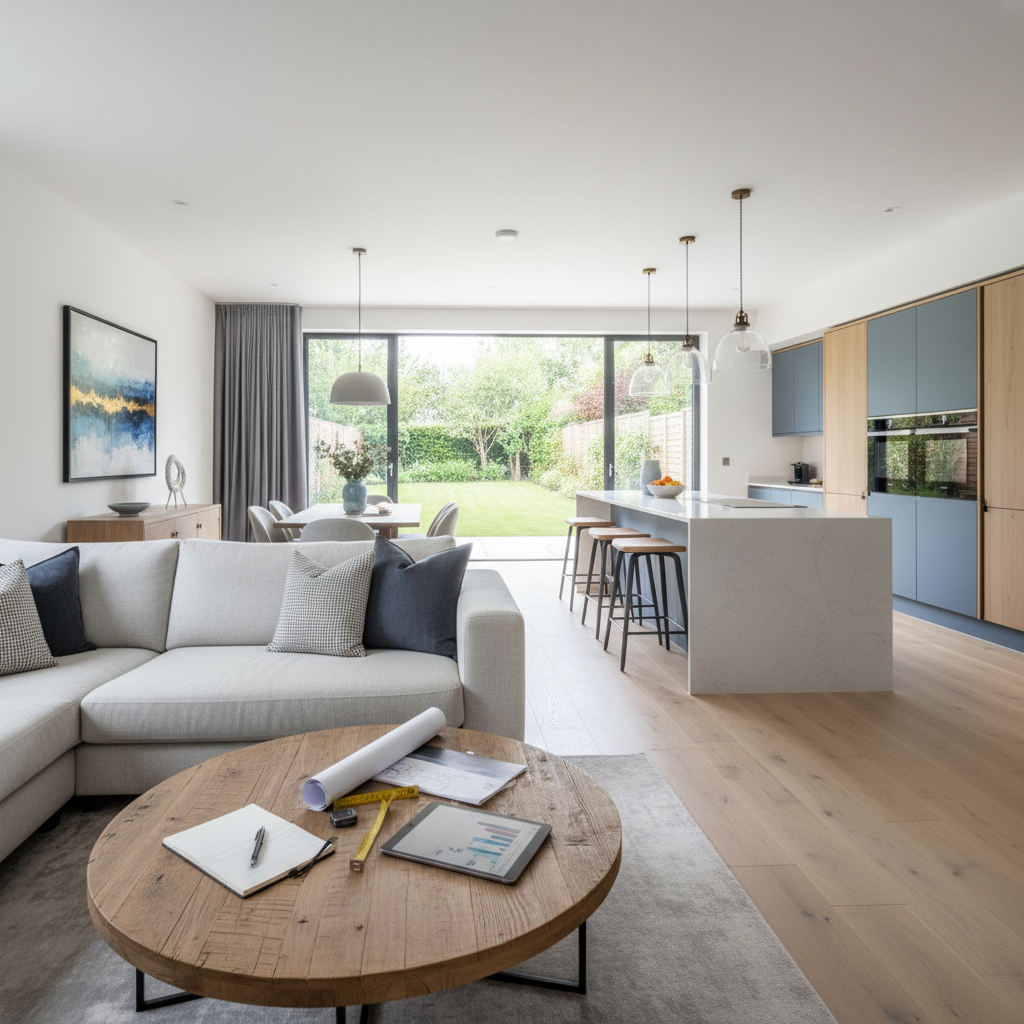
Planning a home renovation can feel overwhelming, but with the right strategies, it can be an exciting venture that transforms your space. Whether you’re a first-time renovator or a seasoned homeowner, this guide will walk you through essential steps like creating a timeline, selecting contractors, and navigating permits, ensuring your project runs smoothly.
Mastering Home Renovations: Your Ultimate Guide to a Successful Project
Planning a home renovation can feel overwhelming, but with the right strategies, it can be an exciting venture that transforms your space. Whether you’re a first-time renovator or a seasoned homeowner, this guide will help you navigate through essential steps such as creating a timeline, selecting contractors, and dealing with permits. Let’s dive into the process!
Step 1: Define Your Goals and Budget
Before making any decisions, take a step back and outline your renovation goals. Do you want to add more space, improve energy efficiency, or simply refresh the aesthetics? Understanding your objectives will help shape your project.
Tips for Setting a Budget:
- Research Costs: Look into average costs for similar renovations in your area. Websites like HomeAdvisor or Angie's List can provide insights.
- Include a Contingency: Always set aside an extra 10-20% of your budget for unexpected expenses.
- Prioritize: Decide what aspects of the renovation are most important to you. Focus on high-impact areas first.
Step 2: Create a Timeline
Timelines are crucial for keeping your renovation on track. A well-planned timeline will help ensure your project proceeds smoothly.
Tips for Creating a Timeline:
- Identify Key Milestones: Break your project down into distinct phases (planning, design, demolition, construction, and finishing).
- Allocate Time for Each Phase: Estimate how long each phase will take. For example:
- Planning: 2-4 weeks
- Design: 4-6 weeks (including revisions)
- Permitting: 2-8 weeks (varies by location and complexity)
- Construction: 6-12 weeks
- Be Realistic: Allow buffer time between phases. Delays are common, so build in flexibility.
Step 3: Contractor Selection
Choosing the right contractor is one of the most critical steps in a renovation project.
Key Factors to Consider:
- Experience and Specialization: Look for contractors who specialize in the type of renovation you want. For example, if you’re remodeling a bathroom, find someone who has completed similar projects.
- References and Reviews: Ask for references and read reviews on platforms like Yelp or Google. A contractor’s previous work will give you a good sense of their quality.
- Licenses and Insurance: Always verify that your contractor is licensed and carries liability insurance. This protects you from potential mishaps.
Getting Quotes:
- Request quotes from at least three contractors.
- Ensure the quotes break down costs (materials, labor, timeline) so you can compare them effectively.
Step 4: Applying for Permits
Certain renovations will require permits, which can vary by location. Be sure to check local building codes well in advance of your renovation.
Common Permits to Consider:
- Building Permits: Often needed for structural changes, such as adding walls or windows.
- Electrical and Plumbing Permits: Required for changes to electrical systems or plumbing work.
- Zoning Permits: Necessary if your renovations might alter the zoning use of your property.
Tips for Obtaining Permits:
- Timeline Coordination: Apply for permits as soon as you finalize your design. This can take several weeks or months.
- Consult Your Contractor: Many contractors handle permits on behalf of homeowners, simplifying the process.
Step 5: Project Management Strategies
Effective project management can mean the difference between a successful renovation and a stressful one.
Strategies to Consider:
- Regular Check-ins: Schedule regular meetings (weekly or bi-weekly) with your contractor to discuss progress and address concerns.
- Use Technology: Utilize apps like CoConstruct, Buildertrend, or even simple spreadsheets to keep track of expenses, timelines, and tasks.
- Document Everything: Keep detailed records of contracts, changes, and communications with your contractor. This can protect you if discrepancies arise later.
Example of Managing Expectations:
- If the original timeline has shifted or if costs have increased due to unforeseen circumstances, communicate openly with your contractor and make decisions collaboratively.
Conclusion
Embarking on a home renovation can be a rewarding experience when planned properly. By defining clear goals, establishing a realistic budget, selecting the right contractor, navigating permits, and managing the project effectively, you can turn your vision into reality.
If you’re feeling overwhelmed or unsure where to start, contact QuickFlipz for professional assistance. Our team is dedicated to making your renovation experience as smooth and enjoyable as possible. Let us help you create the home of your dreams!
Call to Action
Ready to get started on your home renovation? Contact QuickFlipz today for expert help and guidance through every step of your project!
Related Articles

From Vision to Reality: A Masterclass in Home Renovation Planning
Embarking on a home renovation can be daunting, but a systematic approach turns chaos into a rewarding transformation. This guide walks you through essential planning phases, from securing permits to mastering project management.

From Vision to Reality: The Ultimate Guide to Planning Your Home Renovation
Embarking on a home renovation can feel overwhelming, but with the right roadmap, it becomes an exciting journey. This guide walks you through essential planning steps, from managing timelines to hiring the right pros, ensuring your project stays on track and within budget.

From Blueprint to Reality: The Ultimate Home Renovation Roadmap
Embarking on a home renovation can be overwhelming, but with the right planning, it becomes a rewarding journey. This guide walks you through every stage, from securing permits to choosing the perfect contractor for your vision.