

Embarking on a renovation project can be overwhelming, but smart planning is the secret to protecting your wallet and your sanity. Discover how to prioritize costs, avoid common pitfalls, and achieve professional results without the typical financial headache.
Mastering the Budget: A Pro’s Guide to Stress-Free Home Renovations
Renovating your home is an exciting milestone. Whether you are looking to increase property value, improve functionality, or simply breathe new life into an aging space, the journey from vision to reality is filled with decision-making. However, the excitement often wanes when the costs start climbing. For many homeowners, a project that starts with a modest budget can quickly balloon into a financial sinkhole.
At QuickFlipz, we believe that a successful renovation isn't just about beautiful design—it's about fiscal discipline. Here is how you can renovate smarter, not harder.
1. The 20% Contingency Rule
The single most common mistake first-time renovators make is neglecting the contingency fund. In any major project—especially those involving older homes—there will be surprises. You open a wall to install a new light fixture and discover outdated electrical wiring or hidden water damage.
Pro-Tip: Always set aside at least 20% of your total estimated budget specifically for unforeseen issues. If your renovation is quoted at $20,000, your total budget should be $24,000. If you don't use the extra, it stays in your pocket; if you do, you won't have to halt construction or compromise on materials mid-way through.
2. Strategic Investing vs. Impulse Spending
Not all home improvements offer the same return on investment (ROI). Before picking out expensive marble countertops, ask yourself if the upgrade matches the neighborhood standard.
- High ROI: Kitchen and bathroom refreshes, painting, and improving curb appeal.
- Lower ROI: Over-customizing rooms or installing high-end finishes that don't match the property type.
Focus your budget on high-impact areas that improve daily functionality. For example, instead of a complete gut renovation of the kitchen, consider keeping the cabinet boxes and replacing only the doors and hardware. This "cabinet refacing" technique can save you thousands while providing a fresh, high-end look.
3. Avoid the "Scope Creep" Trap
"Scope creep" occurs when you decide to add a new task to your project while work is already underway. Maybe you started with a plan to replace the flooring, but then you decide the baseboards look dated, so you swap those, and then you decide the doors need a fresh coat of paint.
Each small addition carries a cost in both materials and labor. If you must add tasks, use the One-In-One-Out Method: if you want to add a luxury tile backsplash that wasn't in the original budget, find a way to trim costs elsewhere, such as choosing a more economical faucet fixture.
4. Labor: When to DIY and When to Call the Pros
DIY projects are great for building sweat equity, but there is a fine line between a cost-saving measure and a liability.
- Safe for DIY: Demolition, painting, installing hardware, and landscaping. These tasks are straightforward and offer high aesthetic returns.
- Call a Pro: Anything involving structural changes, electrical work, or complex plumbing. A small mistake in these areas can lead to safety hazards or code violations that will cost significantly more to fix during a future home inspection.
5. Timing Your Purchase Strategy
Materials costs fluctuate based on seasons and inventory cycles. Plan your procurement well in advance. Many retailers offer major sales during holiday weekends or when they are clearing out seasonal inventory. By sourcing your flooring, lighting, and tile months before the demolition date, you can take advantage of deep discounts. Additionally, always factor in shipping times; nothing stalls a renovation budget faster than having a contractor on-site with no materials to install.
Summary Checklist for Homeowners
- Establish a firm budget and stick to it strictly.
- Prioritize repairs over aesthetics—fix the bones of the house first.
- Get three written quotes for every major contract to compare pricing.
- Document everything in writing to avoid "he-said-she-said" disputes with contractors.
Renovating should be an empowering process, not a source of constant anxiety. By planning for the unexpected, understanding the true value of your upgrades, and knowing when to bring in professional expertise, you can transform your house into your dream home without the financial burden.
Need Expert Guidance?
If you are planning your next renovation project and want to ensure it stays on time and on budget, you don't have to go it alone. Contact the professional team at QuickFlipz today! Our experts are here to help you navigate the complexities of design, procurement, and execution. Let us handle the heavy lifting while you enjoy the results.
Related Articles

Renovate Smarter: The Homeowner’s Guide to Budget-Friendly Transformations
Embarking on a home renovation doesn't have to break the bank if you approach it with the right strategy. Learn how to prioritize high-impact updates while avoiding common pitfalls that lead to costly budget overruns.
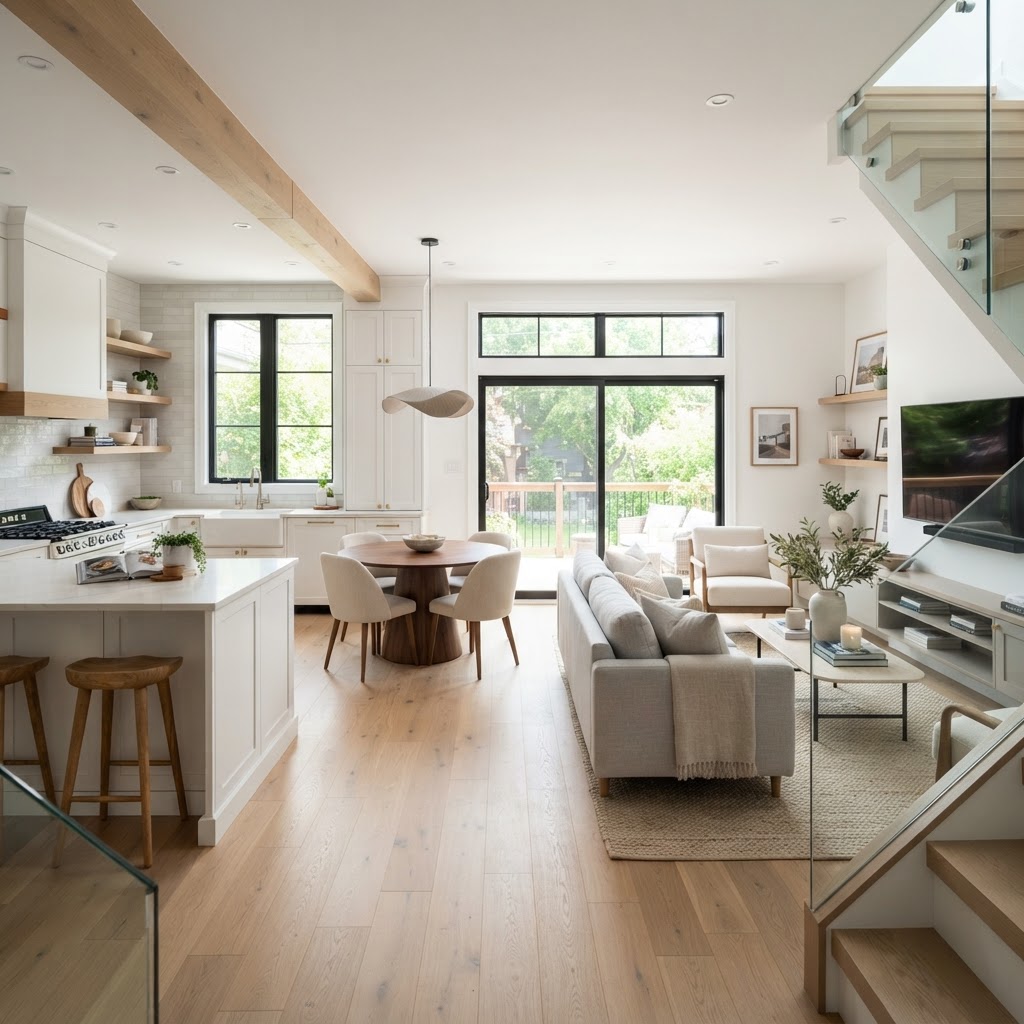
Smart Renovation: How to Maximize Value Without Overspending
Transforming your living space doesn't have to break the bank if you follow a strategic approach. Discover essential tips for managing your budget, avoiding common pitfalls, and prioritizing high-impact improvements.
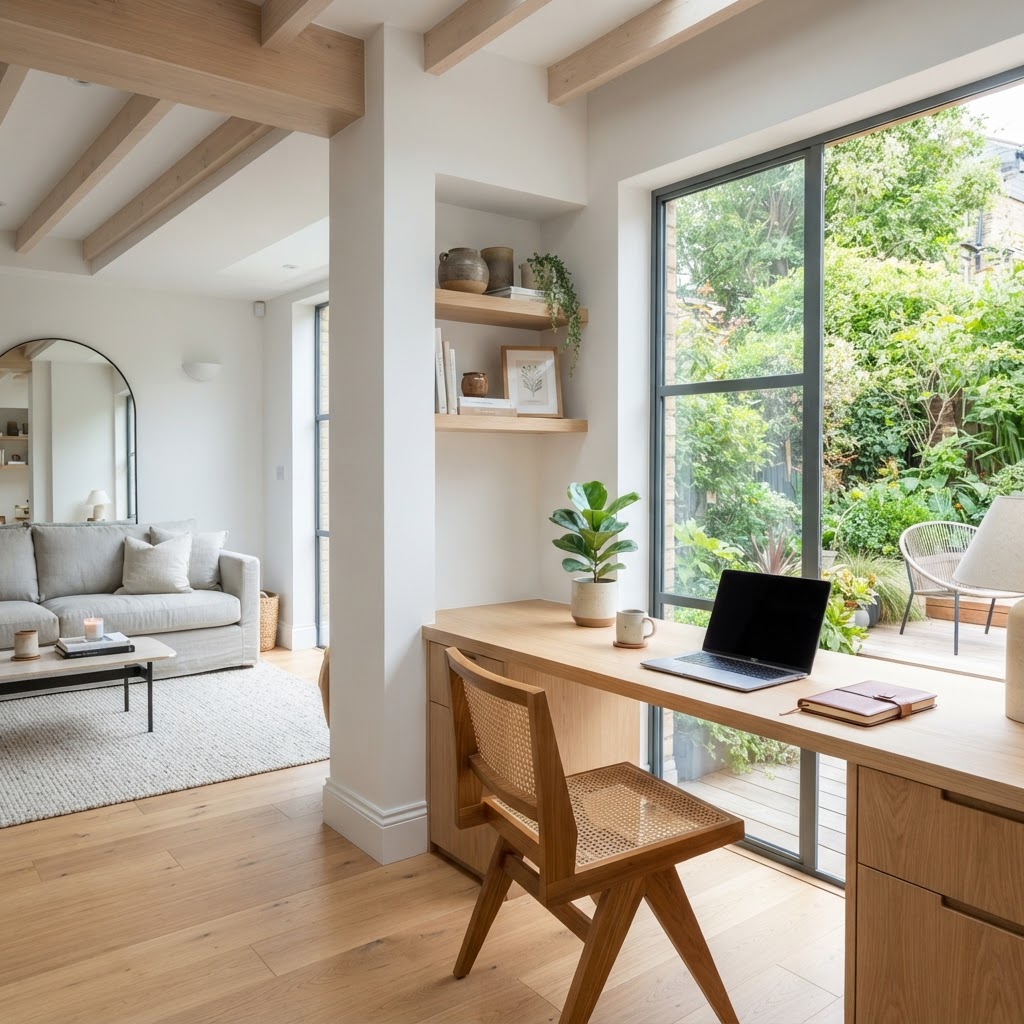
Mastering the Budget: A Pro’s Guide to Smart Home Renovations
Renovating your home shouldn't break the bank if you plan strategically. Discover how to prioritize high-impact projects while avoiding the common financial pitfalls that catch most homeowners off guard.