
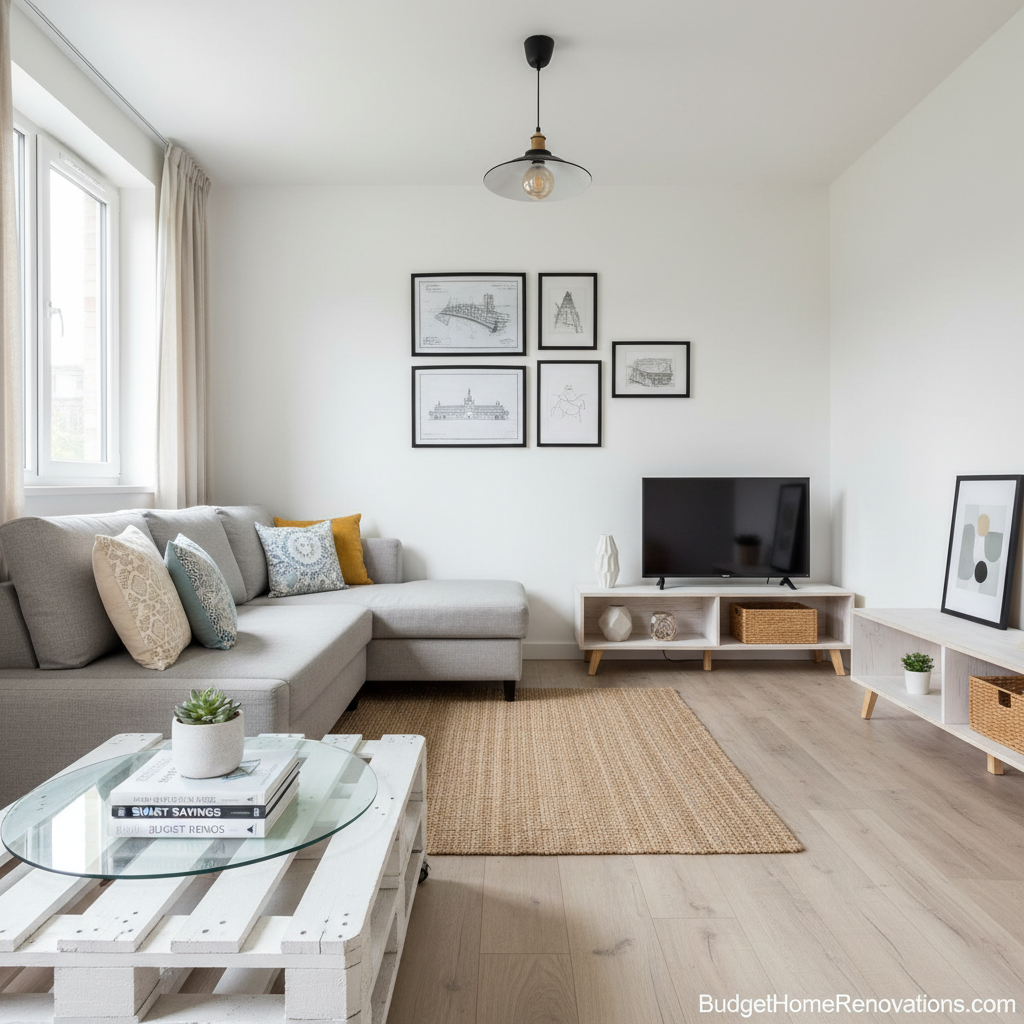
Renovating your home can be a rewarding experience, but it can also come with financial challenges. This guide will help you estimate costs, distinguish where to splurge and where to save, explore financing options, and identify hidden expenses to ensure your renovation stays on track.
Mastering Your Budget: A Comprehensive Guide to Home Renovation Costs
Renovating your home is not just about aesthetics; it’s also a pivotal financial decision. With careful planning and knowledge of various aspects of budgeting, you can transform your home while keeping your expenses in check. In this guide, we'll delve into cost estimation, where to splurge versus save, financing options, and hidden costs that you need to consider.
Understanding Cost Estimation
Proper cost estimation is crucial for successful home renovations. The first step is determining your budget based on your needs and your home's potential. Here are the key steps to estimate costs effectively:
- Prioritize Projects: List all renovation projects you wish to tackle. This can range from minor updates like painting to major remodels like a kitchen overhaul.
- Research Costs: Use online resources like HomeAdvisor or Angie's List to get estimates for materials and labor in your area. For instance, the average cost to remodel a kitchen is approximately $25,000 to $50,000, depending on the extent of the changes.
- Add a Buffer: Always include a contingency of 10% to 20% of the total estimated cost for unforeseen expenses — things often come up that you didn't anticipate.
Example: Bathroom Renovation
For a bathroom renovation, you might estimate:
- New Tiles: $1,500
- Fixtures: $800
- Labor: $2,000
- Contingency (15%): $690
- Total Estimated Cost: $4,990
Where to Splurge vs Save
Knowing where to allocate your budget is essential. Here are some guidelines:
When to Splurge:
- Kitchen Cabinets: High-quality cabinets can last for decades, enhancing your home’s value. Consider solid wood cabinets.
- Energy-Efficient Appliances: Though they have a higher upfront cost, they reduce energy bills and add resale value.
- Bathroom Fixtures: Investing in quality faucets and showers can enhance comfort and aesthetics massively.
When to Save:
- Paint: A fresh coat of paint can dramatically change a room’s look at a fraction of the cost when done yourself.
- Shop at Reuse Centers: Stores like Habitat for Humanity’s ReStores offer significantly cheaper materials that can be refurbished.
- DIY Projects: Take on tasks like landscaping, while these may require your time, they save you a lot of money.
Exploring Financing Options
If your renovation plan goes beyond your immediate budget, consider these financing options:
1. Home Equity Line of Credit (HELOC)
This option allows you to borrow against the equity in your home. Interest rates tend to be lower than personal loans, and you only pay interest on the amount you use.
2. Personal Loans
Ideal for smaller projects, personal loans can be secured quickly but typically have higher interest rates.
3. Credit Cards
Using a credit card for renovation expenses can accrue rewards, but be cautious of high-interest rates. Make sure to pay off the balance quickly to avoid excessive fees.
Example: Heating System Upgrade
Consider a scenario where upgrading your heating system costs $5,000. If you finance it via a HELOC at a 5% interest rate and pay it back over five years, your monthly payment could be around $95, which is manageable assuming this investment improves your home’s efficiency and resale value.
Hidden Costs to Consider
Even the best-planned renovation can be derailed by unexpected costs:
- Permits: Depending on your project, you might need permits, which can cost anywhere from $50 to several thousand dollars.
- Inspection Fees: Home inspections may reveal plumbing or electrical issues that need to be addressed.
- Utility Upgrades: Older homes may require updates to electrical and plumbing systems, which should be factored in.
Example: Adding a Deck
If you're adding a deck, you might think the materials will cost $4,000. However, don’t forget to consider the permit fees ($200), inspection costs ($350), and potentially the need for a new railing system at $500. Your total cost could easily rise to $5,050.
Final Thoughts
Budgeting for home renovations requires meticulous planning and realistic pacing to prevent financial strain. By thoroughly understanding the costs, knowing where to splurge or save, exploring financing options, and being aware of hidden expenses, you can approach your home renovation with confidence.
For both first-time renovators and seasoned homeowners, managing your budget effectively can make a significant difference in the quality and enjoyment of your renovation project.
If you’re looking for expert help in planning and executing your home renovations within budget, contact QuickFlipz today! Our team can provide you with tailored advice and professional support to make your dream home a reality.
Related Articles

Mastering the Art of Renovation: A Guide to Budgeting Without the Stress
Embarking on a home renovation project is exciting, but staying within budget is often the biggest challenge homeowners face. This guide explores smart cost estimation, strategic spending, and hidden costs to ensure your dream home doesn't become a financial nightmare.

Renovate Without the Regret: The Ultimate Guide to Budgeting Your Home Makeover
Embarking on a home renovation is an exciting journey, but without a solid financial roadmap, costs can quickly spiral out of control. This guide walks you through effective budgeting strategies, hidden cost pitfalls, and smart ways to allocate your funds for maximum return on investment.
Mastering Your Home Renovation Budget: A Strategic Guide
Embarking on a home renovation is an exciting journey that can quickly become overwhelming without a solid financial plan. This guide breaks down the essential steps to estimate costs, identify where to invest versus save, and navigate hidden expenses to ensure your project stays on track.