
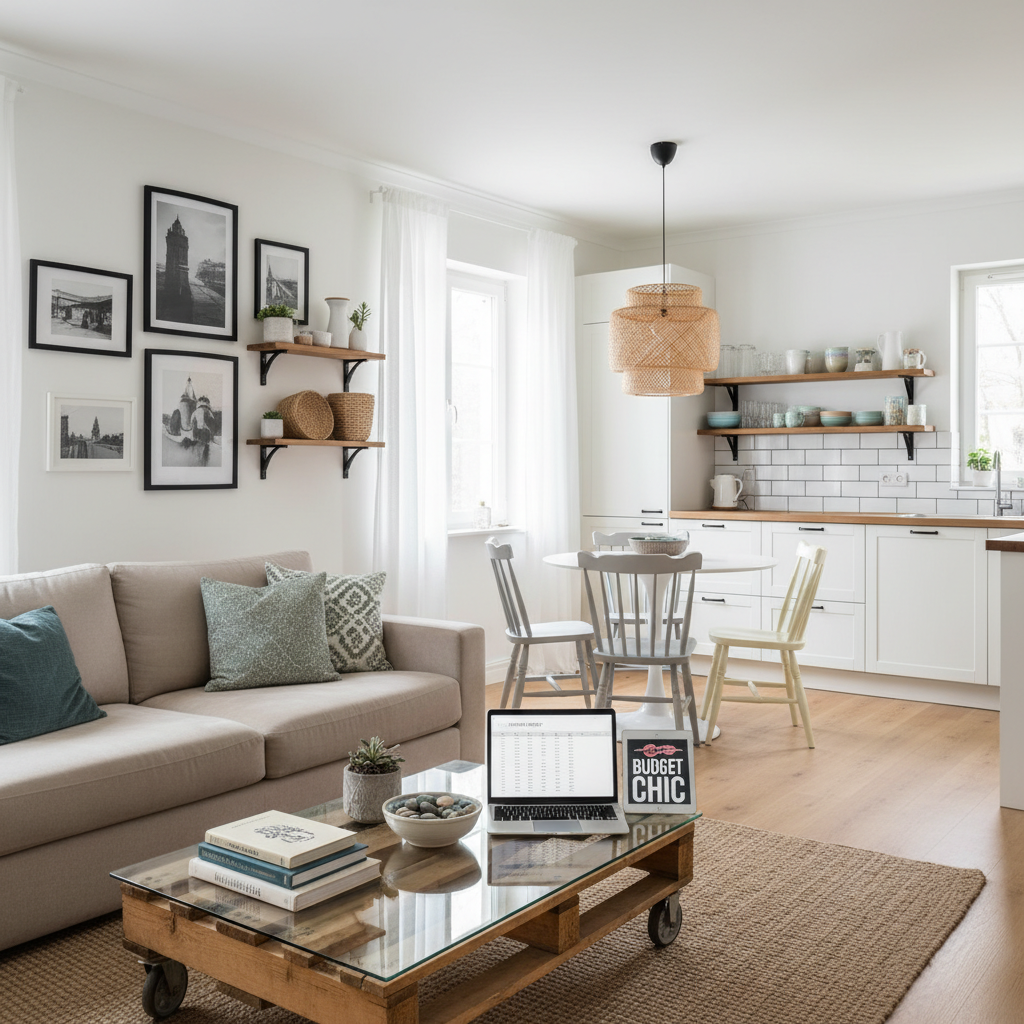
Home renovations can transform your living space, but sticking to a budget is crucial for success. In this guide, we’ll explore effective cost estimation techniques, strategies for where to splurge and save, various financing options, and key hidden costs to consider—ensuring that your project stays on track and within budget.
Mastering Your Budget: A Guide to Smart Home Renovations
Home renovations are not just about improving aesthetics; they’re also a significant investment that can add value to your property. However, budgeting for renovations can be daunting, especially for first-time renovators. Whether you're sprucing up your kitchen, adding a new bathroom, or completely renovating a living space, it's essential to have a solid financial plan in place. In this blog post, we'll break down key aspects of budgeting for your next home renovation project, helping you to make informed decisions.
1. Cost Estimation: The Foundation of Your Budget
Before diving into any renovation project, start with accurate cost estimation. This entails:
- Researching Material and Labor Costs: Get quotes from local suppliers and contractors. Websites like HomeAdvisor or Angie’s List can provide average price estimates. For example, kitchen remodels can often range from $15,000 to $50,000 depending on the scope and materials.
- Identifying Permits and Fees: Be sure to account for any required permits. For example, a bathroom remodel may require plumbing permits that can run upwards of $1,000, depending on your location.
- Creating a Contingency Fund: It’s wise to set aside 10-20% of your total budget for unexpected expenses—this works out to $2,000 to $4,000 if your total budget is $20,000.
2. Where to Splurge vs. Save
Knowing where to invest more and where to cut corners can make a significant difference in the overall impact of your renovation. Here are some tips:
-
Splurge on Key Areas:
- Kitchens & Bathrooms: These spaces often yield the best return on investment (ROI). High-quality cabinetry, countertops, and fixtures can elevate the entire room. For example, investing in durable quartz countertops over laminate can enhance longevity and aesthetic appeal.
- Energy Efficiency: Consider spending a bit more on energy-efficient appliances and windows. Although the upfront costs can be higher (for instance, Energy Star-rated appliances may cost 10-20% more), the savings on energy bills can make up for this over time.
-
Save on Decorative Finishes:
- Paint and Accessories: You can upgrade the look of a room with fresh paint or cost-effective accessories. Rather than selecting high-end wallpaper, consider applying a stylish but affordable coat of paint.
- Refurbished Items: Look into refurbished or discounted furniture and fixtures. Websites like Facebook Marketplace or Habitat for Humanity ReStores offer great finds at lower prices.
3. Financing Your Renovation
Understanding your financing options can help ease the stress of budgeting for renovation. Here are some common avenues:
- Personal Loans: These typically come with higher interest rates, but they offer flexibility in repayment. Perfect for smaller projects within the range of $1,000 to $40,000.
- Home Equity Loans: These are secured against the equity of your home, generally providing lower interest rates. Ideal for larger projects where significant funds are required.
- Credit Cards: Some choose to use credit cards with rewards programs for smaller renovations, but it’s advisable to pay off the balance quickly to avoid high-interest rates.
- Government Programs: Look for local or federal incentives for energy-efficient upgrades that may offer low-interest loans or rebates.
4. Hidden Costs to Consider
Hidden costs can sneak up on homeowners, turning a well-planned budget into chaos. Be aware of:
- Unexpected Structural Issues: Hidden plumbing or electrical problems could become apparent once work begins. For instance, a simple remodel could expose outdated wiring, necessitating additional funds for repairs.
- Delays: Construction delays can incur extra labor costs, especially if you’re on a tight timeline.
- Living Expenses: With major renovations, you may have to pay for temporary housing or storage options for your belongings. These costs can add up quickly; consider budgeting an additional $1,500 to $3,500 for this aspect depending on your situation.
Real-World Example: The Smith Family Kitchen Renovation
Let’s explore a practical example of how to navigate budgeting:
- Initial Budget: $25,000 for a kitchen overhaul.
- Estimation Breakdown:
- Materials: $15,000
- Labor: $9,000
- Contingency: $2,500
- Adjustments: During the renovation, the Smiths discovered electrical issues that added $3,000 to the budget. They had set aside an adequate contingency fund, which helped them maintain their focus.
- Key Splurge vs. Save Decisions: They chose to splurge on high-end appliances but saved on cabinet refinishing, which still gave the kitchen a fresh look without the cost of new cabinets.
Conclusion
Budgeting for home renovations is crucial for a successful and satisfying outcome. By estimating costs accurately, deciding wisely where to splurge versus save, exploring effective financing options, and preparing for hidden costs, you can manage your renovation project like a pro.
At QuickFlipz, we understand the intricacies of home renovations and are here to help. Whether you’re planning a small update or a complete overhaul, our expert team is ready to assist you in making the most of your investment. Contact us today for a consultation and turn your renovation dreams into reality!
Related Articles

Mastering the Art of Renovation: A Guide to Budgeting Without the Stress
Embarking on a home renovation project is exciting, but staying within budget is often the biggest challenge homeowners face. This guide explores smart cost estimation, strategic spending, and hidden costs to ensure your dream home doesn't become a financial nightmare.

Renovate Without the Regret: The Ultimate Guide to Budgeting Your Home Makeover
Embarking on a home renovation is an exciting journey, but without a solid financial roadmap, costs can quickly spiral out of control. This guide walks you through effective budgeting strategies, hidden cost pitfalls, and smart ways to allocate your funds for maximum return on investment.

Mastering Your Home Renovation Budget: A Strategic Guide
Embarking on a home renovation is an exciting journey that can quickly become overwhelming without a solid financial plan. This guide breaks down the essential steps to estimate costs, identify where to invest versus save, and navigate hidden expenses to ensure your project stays on track.