

Budgeting for home renovations doesn't have to be overwhelming. With the right strategies, you can effectively estimate costs, identify where to splurge or save, and navigate financing options—with no nasty surprises along the way. Join us as we break down essential tips for a successful renovation journey!
Mastering Your Home Renovation Budget: Tips, Tricks, and Hidden Costs
Renovating your home can be an exciting but daunting project. Whether you're a first-time homeowner or an experienced renovator, understanding how to budget effectively is crucial for a successful renovation. In this post, we’ll explore cost estimation, where to splurge versus save, financing options, and hidden costs to consider.
Cost Estimation
Before diving into any renovation project, the first step is to create a realistic budget based on accurate cost estimates. Here’s how to effectively estimate costs:
-
Research Prices: Start by researching the costs of materials, labor, and any permits you might need. Websites like HomeAdvisor and Angie's List can provide valuable insights into average costs for various home renovation projects.
- Example: If you’re remodeling a kitchen, you might find that cabinets can range from $100 to $1,200 per linear foot, depending on the style and material.
-
Get Multiple Quotes: Always solicit multiple quotes from contractors. Not only does this ensure you're getting a reasonable price, but it also gives you a better understanding of the labor costs involved.
- Tip: Schedule at least three estimates and be wary of prices that are significantly lower than the rest; this can be a red flag for the quality of work.
Where to Splurge vs. Save
Knowing where to invest your money and where to cut costs can make a huge difference in your renovation. Here are some guidelines:
Areas to Splurge:
- Kitchen Countertops: High-quality materials like quartz or granite can elevate your kitchen’s look and durability.
- Why?: They not only provide long-term value but also enhance your home's appeal.
- Energy-Efficient Windows: Investing in energy-efficient windows can reduce energy costs long-term and improve your home's resale value.
- Smart Home Technology: Adding smart thermostats or security systems can attract tech-savvy buyers and improve convenience.
Areas to Save:
- DIY Small Projects: If you're handy, consider taking on smaller projects like painting or landscaping yourself.
- Example: A fresh coat of paint can transform a room and costs only a few hundred dollars—you’ll save significantly on labor!
- Flooring: Laminate or vinyl flooring can mimic the look of hardwood at a fraction of the price and can be installed easily.
- Fixtures and Fittings: Consider shopping at clearance sales or discount stores for affordable light fixtures or plumbing fittings.
Financing Options
Renovations often come with hefty price tags, so exploring your financing options is crucial:
- Home Equity Loan: If you have equity in your home, a home equity loan could provide you with lower interest rates compared to personal loans.
- Personal Loan: This option might be viable for smaller projects where immediate cash flow is necessary, though it typically comes with higher interest.
- Credit Cards: Use credit cards responsibly for smaller expenses, but be cautious of high interest rates.
- Government Programs: Look into local government grants or programs that assist with renovations, especially for energy efficiency upgrades.
Hidden Costs to Consider
Renovation projects often bring along unwelcome surprises. Here are some hidden costs to keep an eye on:
- Permits and Inspections: Not all renovations require permits, but if yours do, they can be costly. Always check local regulations.
- Contingency Fund: Set aside 10-20% of your total budget for unexpected expenses. This ensures you're prepared for surprises like mold removal or plumbing issues.
- Unforeseen Repairs: Once you start renovations, you may discover issues with the structure or systems (e.g., plumbing). Always keep some budget aside for these surprises.
- Storage Costs: While your home is under renovation, you may need to rent storage for your belongings, which can add to your overall expenses.
Real-World Example
Consider the case of Jack and Emily, who planned to renovate their bathroom. After researching, they estimated the total cost at $15,000. Here’s how they broke it down:
- Cost: $6,000 for high-quality tiles (splurge)
- Cost: $4,000 for labor from multiple contractors (sought quotes)
- Cost: $2,000 for fixtures and fittings from clearance sales (save)
- Contingency Fund: $3,000 set aside for unexpected repairs.
When they discovered plumbing issues during the remodel, their contingency fund saved them from going over budget. They ended up spending only $1,800 from their contingency account, leaving them with extra cash for decor.
Conclusion
Budgeting for home renovations is an essential skill that can save you time, stress, and money. By following these tips on cost estimation, strategic splurge/save decisions, financing options, and being aware of hidden costs, you can ensure a smoother renovation experience.
Ready to embark on your renovation journey? Contact QuickFlipz for professional help—our team of experts can guide you through the budgeting process and help you create your dream home without breaking the bank!
Related Articles

Mastering the Art of Renovation: A Guide to Budgeting Without the Stress
Embarking on a home renovation project is exciting, but staying within budget is often the biggest challenge homeowners face. This guide explores smart cost estimation, strategic spending, and hidden costs to ensure your dream home doesn't become a financial nightmare.

Renovate Without the Regret: The Ultimate Guide to Budgeting Your Home Makeover
Embarking on a home renovation is an exciting journey, but without a solid financial roadmap, costs can quickly spiral out of control. This guide walks you through effective budgeting strategies, hidden cost pitfalls, and smart ways to allocate your funds for maximum return on investment.
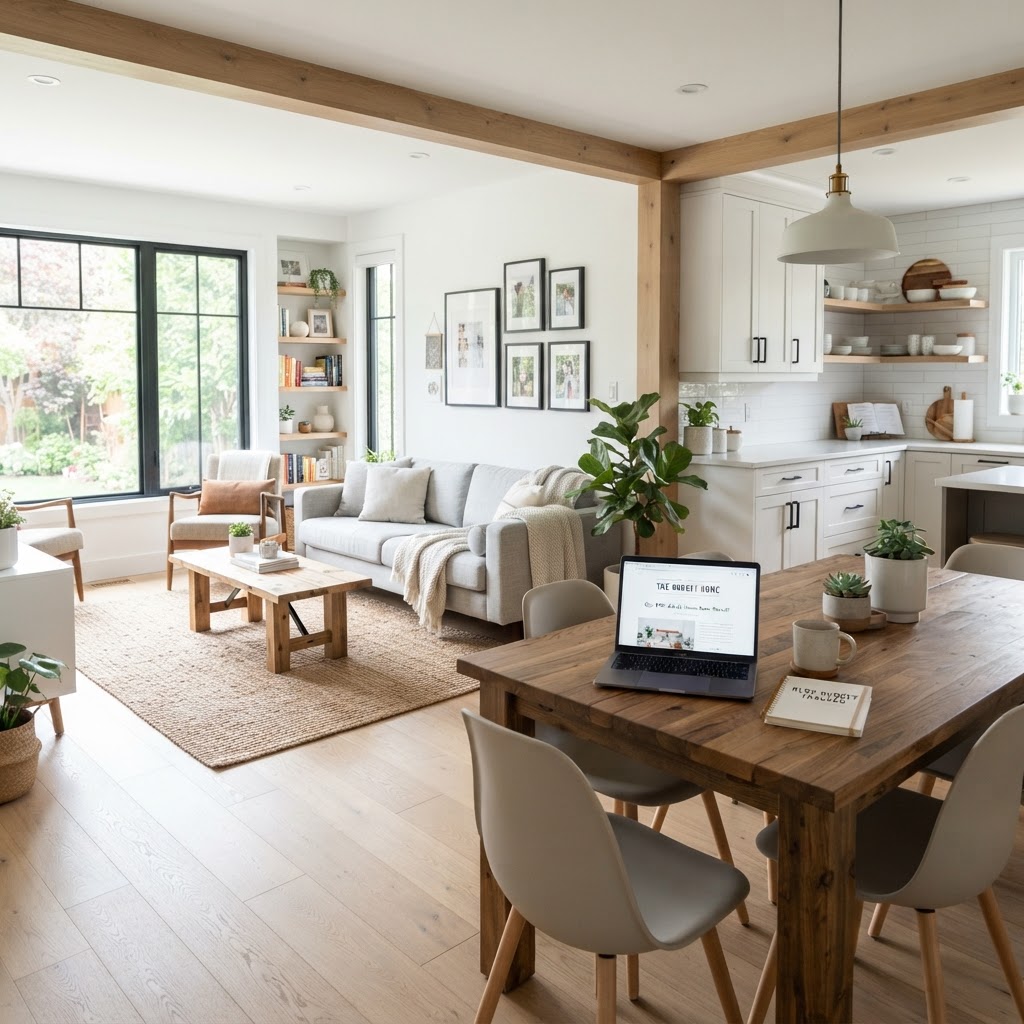
Mastering Your Home Renovation Budget: A Strategic Guide
Embarking on a home renovation is an exciting journey that can quickly become overwhelming without a solid financial plan. This guide breaks down the essential steps to estimate costs, identify where to invest versus save, and navigate hidden expenses to ensure your project stays on track.