
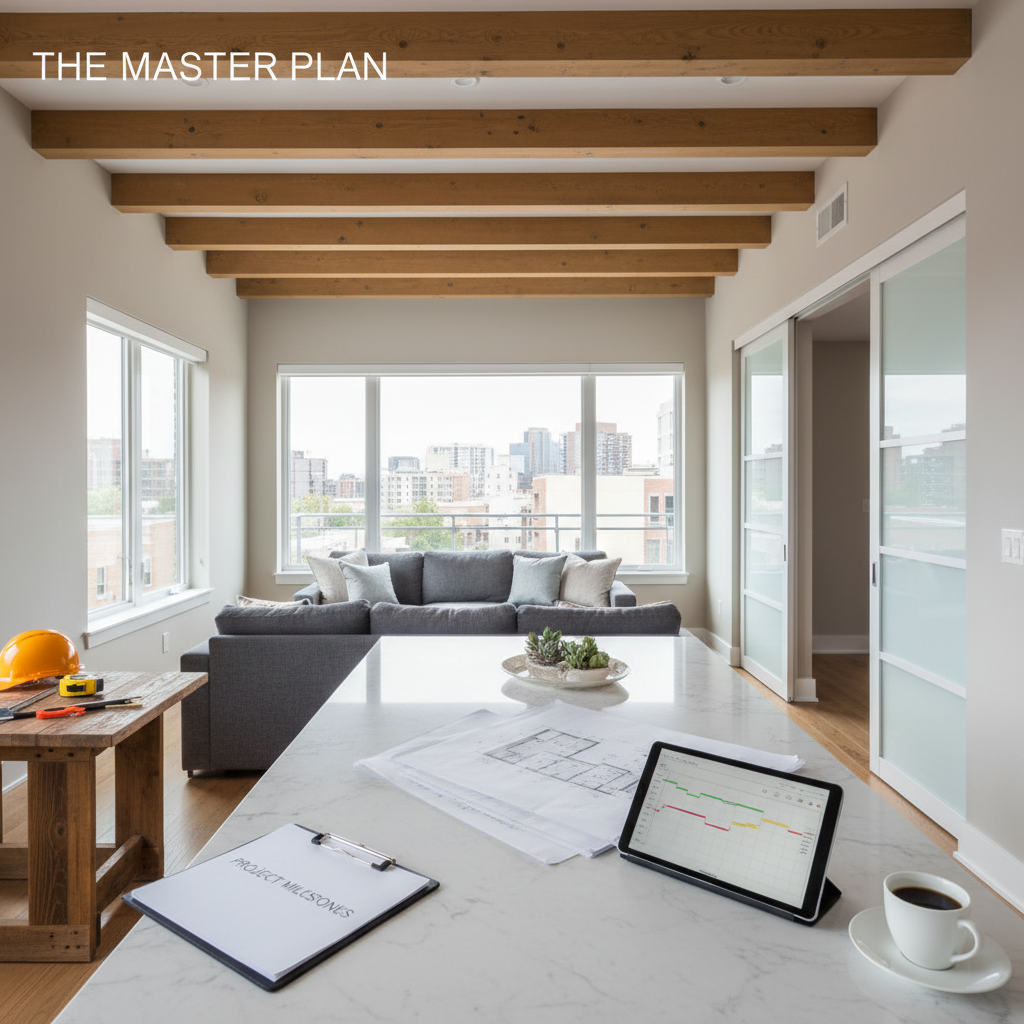
Planning a home renovation can be exciting yet overwhelming. This comprehensive guide will help you navigate the ins and outs of the process—from creating a timeline and selecting contractors to securing permits and managing the project. Whether you're a first-time renovator or an experienced homeowner, these steps will ensure a smooth and successful renovation journey.
Navigating Your Home Renovation: A Step-by-Step Guide to Success
Planning a home renovation can be both exciting and a bit daunting. With so many moving parts, it’s easy to get overwhelmed. However, with the right approach, your renovation can result in the home of your dreams. Let’s dive into a comprehensive step-by-step guide to help you navigate your home renovation project, from timeline creation to project management.
1. Define Your Goals and Budget
Before you do anything else, begin with a clear understanding of your goals for the renovation. Ask yourself:
- What areas of the home do you want to renovate?
- What improvements do you wish to see?
- What is your ultimate vision?
Next, establish a realistic budget. Consider the costs of materials, labor, permits, and unexpected expenses (it’s wise to add an extra 10%-20% to your budget for contingencies!). Use financial tools or consult with a financial advisor if needed.
Example:
If you're looking to remodel your kitchen, your budget should include cabinets, countertops, appliances, and labor—not just materials.
2. Create a Timeline
An effective timeline is essential for keeping your project on track. Begin by mapping out your renovation goals and estimating how long each phase will take. Here’s a simple timeframe you might consider:
- Planning and Design: 1-2 months
- Contractor Selection: 1 month
- Permits and Approvals: 2-4 weeks
- Construction: 2-6 months (depending on the project)
- Final Walkthrough: 1 week
Tip: Use a Gantt chart or project management app to visualize your project schedule.
3. Research and Select Contractors
Choosing the right contractor can make or break your renovation experience. Here are some tips:
- Ask for Recommendations: Talk to friends, family, or neighbors who have had work done.
- Check Credentials: Make sure the contractor is licensed, insured, and has good reviews.
- Interview Multiple Contractors: Get at least three quotes and ask them detailed questions about their processes and timelines.
- Check References: Follow up with previous clients to see how their experiences were.
Example:
Consider interviewing a contractor who specializes in kitchen renovations and ask them how they handle unexpected challenges during construction.
4. Obtain Necessary Permits
Most major home renovations require some form of permits. Check with your local government or home association to determine what is needed to ensure your project complies with local regulations. The process can take time, so secure your permits early in the planning phase.
Useful Resources:
- Your local government’s website often has a section for homeowners.
- Websites like HomeAdvisor can provide insights into what permits you might need.
5. Design and Planning
Once you have chosen your contractor, the design phase begins. Work closely with your contractor or designer to finalize your plans. Discuss layout, materials, and colors to ensure the design aligns with your vision. Consider the following:
- Functionality: Ensure the space works well for your lifestyle.
- Aesthetics: Choose styles and finishes that you love and that will stand the test of time.
- Sustainability: Consider eco-friendly materials and energy-efficient designs where possible.
Example:
If you opt for an open-concept kitchen, ensure that there’s enough space for dining and movement.
6. Project Management Strategies
Good project management contributes significantly to a successful renovation. Here are some strategies to consider:
- Regular Check-Ins: Schedule weekly meetings with your contractor to review progress and address concerns.
- Document Everything: Keep all contracts, invoices, and communication in one organized location.
- Flexibility is Key: Be prepared for delays due to weather, shipping issues, or unforeseen problems.
7. Prepare Your Home
Renovations can disrupt your daily life, so prepare your home to minimize chaos:
- Designate a Safe Workspace: Move furniture out of the construction area and set aside a space for tools and materials.
- Create a Temporary Living Area: If major renovations are underway, consider designating a room as a temporary living space.
Example:
If your kitchen is being remodeled, set up a makeshift kitchen in another area of your home with essentials like a microwave, coffee maker, and snacks.
8. Final Walkthrough
Once the work is completed, conduct a final walkthrough with your contractor. Look for:
- Quality of workmanship
- Any unfinished details
- Cleanup of the job site
This is the perfect time to ask any questions you may have and ensure everything meets your satisfaction before making the final payment.
In Conclusion
Undertaking a home renovation can be a complex yet rewarding experience. By following these steps—from creating a clear timeline to effective project management—you can significantly reduce stress and increase the chances of a successful outcome.
Feeling overwhelmed? If you want to ensure your renovation project is in expert hands, contact QuickFlipz today! Our experienced team is ready to help you turn your vision into reality, making your dream home a tangible achievement. Let's get started on your transformation together!
Related Articles

From Vision to Reality: A Masterclass in Home Renovation Planning
Embarking on a home renovation can be daunting, but a systematic approach turns chaos into a rewarding transformation. This guide walks you through essential planning phases, from securing permits to mastering project management.

From Vision to Reality: The Ultimate Guide to Planning Your Home Renovation
Embarking on a home renovation can feel overwhelming, but with the right roadmap, it becomes an exciting journey. This guide walks you through essential planning steps, from managing timelines to hiring the right pros, ensuring your project stays on track and within budget.

From Blueprint to Reality: The Ultimate Home Renovation Roadmap
Embarking on a home renovation can be overwhelming, but with the right planning, it becomes a rewarding journey. This guide walks you through every stage, from securing permits to choosing the perfect contractor for your vision.