

Home renovations can be daunting, especially when it comes to managing costs. In this blog post, we explore practical strategies to save money during your renovation projects while avoiding common pitfalls. Whether you're a first-time renovator or a seasoned homeowner looking to spruce up your space, these tips will help you achieve your dream home without breaking the bank.
Smart Renovation: Cost-Saving Strategies to Transform Your Home
Renovating your home can revitalize your space and boost its value, but it can also be a significant financial commitment. With careful planning and smart strategies, you can successfully complete your renovation without derailing your budget. Here are some cost-saving tips, common mistakes to avoid, and professional techniques to guide your renovation journey.
1. Plan Thoroughly Before You Start
Taking the time to lay out a comprehensive plan is a crucial first step in any renovation project. It may seem tedious at first, but a detailed plan will save you time and money in the long run. Consider the following:
- Set a Clear Budget: Determine how much you can afford to spend. Include a buffer for unexpected expenses—typically 10-20% of the overall budget.
- Prioritize Your Needs: What renovations will add the most value and appeal? Make a list of must-haves and nice-to-haves.
- Create a Timeline: Having a timeline helps you stay organized and can prevent project fatigue.
Example: If you're renovating a kitchen, decide which appliances and materials are essential versus luxury items. This way, you can allocate your budget effectively.
2. DIY Where You Can, But Know Your Limits
One of the best ways to save money on renovations is to take on DIY tasks. Many homeowners successfully complete projects like painting walls or landscaping. Here are some tips to ensure your DIY efforts are worthwhile:
- Choose the Right Projects: Tackle simpler tasks you feel comfortable with, such as painting, tiling, or installing shelves.
- Learn Through Online Resources: Websites like YouTube provide countless tutorials. Make sure to follow step-by-step videos to avoid costly mistakes.
- Know When to Call in Professionals: For significant electrical or plumbing work, hiring a professional is often safer and more efficient. Understanding your limits can prevent costly mistakes that might require professionals to fix.
Example: You might consider DIYing the installation of a backsplash but hire an electrician for rewiring or installing new fixtures.
3. Reuse and Repurpose Materials
Rather than buying everything new, consider reusing or repurposing materials. This strategy reduces waste and can save you a considerable amount of money:
- Check Local Salvage Yards: Many salvage stores sell reclaimed wood, doors, and fixtures at a fraction of the retail price.
- Upcycle Furniture: If you have old furniture, consider refinishing or repainting it instead of buying new pieces.
- Shop Secondhand: Look online at platforms like Facebook Marketplace, Craigslist, or local thrift stores for unique items at a lower cost.
Example: An old dresser can become a stylish bathroom vanity with some sanding, painting, and new hardware.
4. Focus on Energy Efficiency
Not only does focusing on energy-efficient updates cut immediate costs, but it also pays off in the long run:
- Install Energy-Efficient Fixtures: Choose LED lighting and energy-efficient appliances. Though they may be more expensive upfront, they save money on your utility bills.
- Seal Windows and Doors: Use weather stripping or caulking to eliminate drafts. This small investment can save money on heating and cooling.
- Consider Insulation Improvements: Upgrading your insulation can reduce energy costs significantly, making it a smart renovation choice.
Example: Replacing old windows with energy-efficient models can significantly decrease heating and cooling costs.
5. Avoiding Common Mistakes
Even seasoned renovators can make mistakes that lead to wasted money and time. Here’s what to watch out for:
- Neglecting Permits: Failing to obtain the proper permits can result in fines or having to redo completed work. Always check local regulations before starting.
- Overestimating DIY Skills: Know which projects require expertise and don’t hesitate to hire a professional for complicated tasks.
- Ignoring the Big Picture: Don't just fix problems as they arise; envision the overall design and functionality of the space to avoid fragmentation in your design.
Conclusion
Embarking on a renovation journey doesn’t have to strain your finances. By planning carefully, tackling DIY projects judiciously, reusing materials, focusing on energy efficiency, and avoiding common pitfalls, you can transform your home while keeping costs manageable. Remember, preparation and knowing when to seek professional help are key to successful renovations.
If you're ready to take the next step but feel overwhelmed, don’t hesitate to contact QuickFlipz. Our experienced team can guide you through your renovation process, ensuring that your vision for your home comes to life beautifully and efficiently. Let’s create the home of your dreams together!
Related Articles

Renovate Smarter: The Homeowner’s Guide to Budget-Friendly Transformations
Embarking on a home renovation doesn't have to break the bank if you approach it with the right strategy. Learn how to prioritize high-impact updates while avoiding common pitfalls that lead to costly budget overruns.
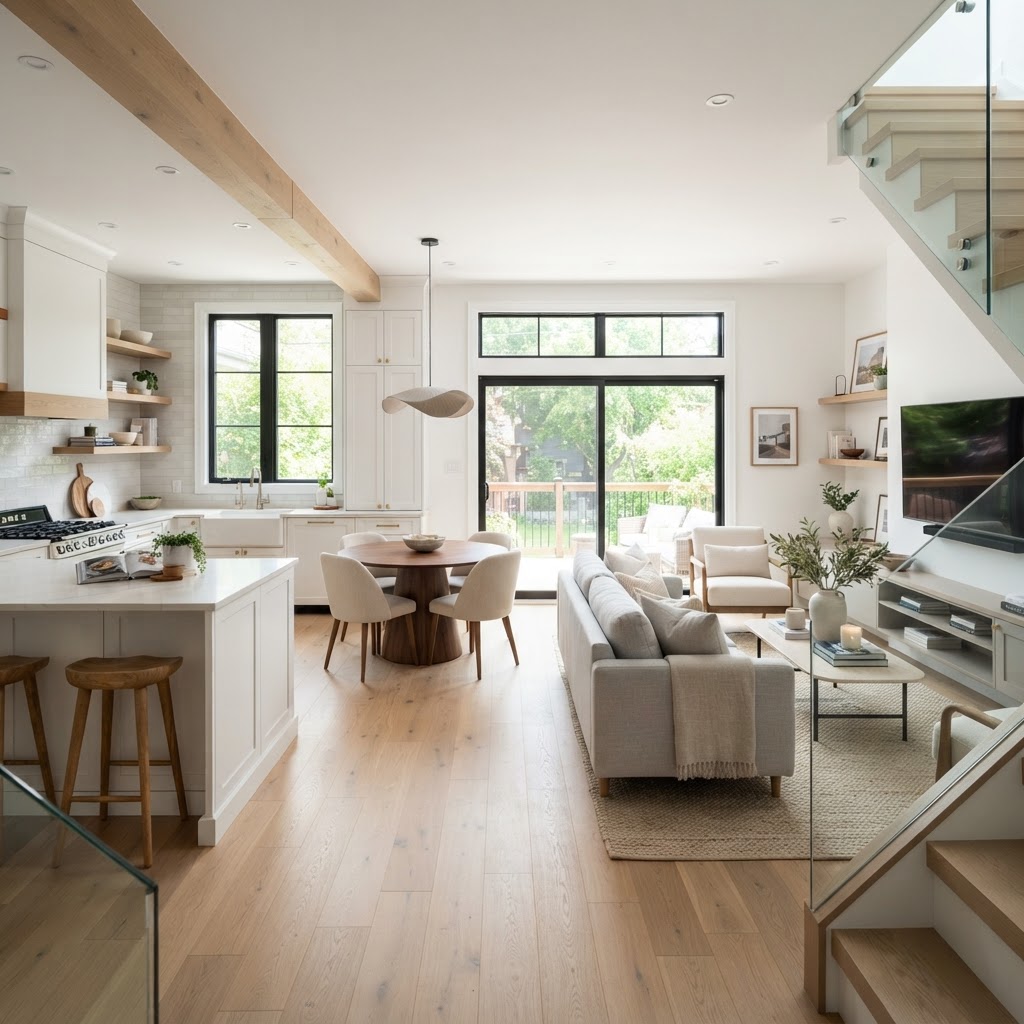
Smart Renovation: How to Maximize Value Without Overspending
Transforming your living space doesn't have to break the bank if you follow a strategic approach. Discover essential tips for managing your budget, avoiding common pitfalls, and prioritizing high-impact improvements.

Mastering the Budget: A Pro’s Guide to Smart Home Renovations
Renovating your home shouldn't break the bank if you plan strategically. Discover how to prioritize high-impact projects while avoiding the common financial pitfalls that catch most homeowners off guard.