
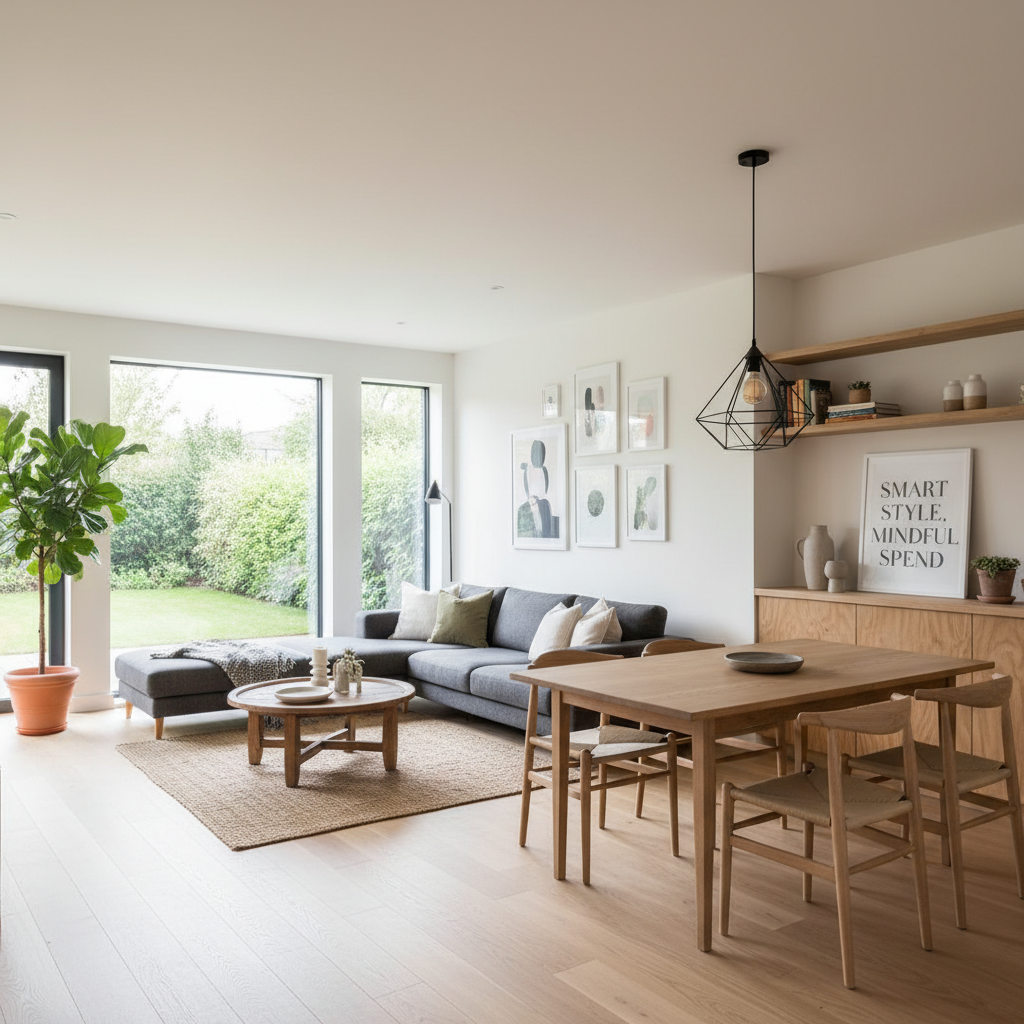
Renovating your home can be exciting yet overwhelming, especially when it comes to budgeting. In this guide, we’ll explore how to estimate costs, where to splurge or save, financing options, and hidden expenses to ensure your renovation goes smoothly without breaking the bank.
The Ultimate Guide to Budgeting for Home Renovations: Spend Smart, Save Wise!
Renovating your home can be a rewarding experience, transforming your living space into something you love. However, it's essential to approach home renovations with a solid budget strategy. Whether you're embarking on your first project or you're a seasoned pro, understanding how to budget effectively can make all the difference. Let’s dive into the key aspects of budgeting for home renovations!
1. Cost Estimation: The Foundation of Your Budget
Before you even pick up a paintbrush, it's crucial to have a comprehensive understanding of your project's costs. Here are some steps to accurately estimate renovation costs:
- Research Materials and Labor: Start by researching the costs of materials (think tiles, wood, paint) and labor (contractors, electricians). Websites like HomeAdvisor and Angie’s List can provide average costs in your area.
- Create a Detailed List: Break down your renovation into categories (e.g., kitchen, bathroom, landscaping). For each category, list out specific items you need to purchase, along with their estimated costs.
- Get Multiple Quotes: If hiring contractors, get at least three quotes. This not only helps you find a competitive rate but also allows you to evaluate which contractor offers the best value.
Example:
For a full kitchen renovation, you might budget approximately $25,000, factoring in cabinets ($12,000), countertops ($3,000), appliances ($5,000), and labor ($5,000).
2. Where to Splurge vs. Save
Understanding where to spend a little more and where to save is crucial for a successful renovation budget. Here’s a helpful guide:
Splurge On:
- Quality Hardwoods or Countertops: These often become focal points in your home. Investing in durable materials can save you money in the long run by reducing the need for future replacements.
- Energy-Efficient Appliances: While these may have a higher upfront cost, they can lead to significant savings on your utility bills.
- Essential Structural Changes: For example, if you're removing a wall or upgrading plumbing systems, ensure that you use professional services to avoid future headaches.
Save On:
- Cosmetic Updates: Painting walls or updating light fixtures can offer a fresh look without the hefty price tag.
- DIY Projects: If you're handy, consider taking on smaller projects yourself, like landscaping or installing shelves.
Example:
Instead of installing custom cabinets for $12,000, you might opt for semi-custom cabinets at $8,000 and use the savings for better countertops.
3. Financing Your Renovation
Renovation costs can add up quickly, so exploring financing options is worth your while. Here are some common methods:
- Personal Loans: These are unsecured loans you can use for home improvements. Rates vary, but they're generally lower than credit card interest rates.
- Home Equity Line of Credit (HELOC): If you've built equity in your home, a HELOC can be a great way to fund renovations. It often comes with lower interest rates than personal loans.
- Credit Cards: While they can be handy for smaller projects, be cautious as interest rates can be high.
Example:
Let's say your total renovation cost is $30,000. If you take a HELOC with an interest rate of 4%, your monthly payment could be around $150 for 15 years, depending on the terms.
4. Hidden Costs to Consider
Many renovators overlook hidden costs that can derail their budgets. Here are a few to keep in mind:
- Permits and Fees: Depending on the scale of your renovation, you may need permits, which can cost anywhere from $50 to over $500.
- Unexpected Structural Issues: Always budget an extra 10-20% for surprises like mold or hidden damages.
- Temporary Living Expenses: If your renovation makes your home unlivable, consider the costs of temporary housing, meals, and storage.
Example:
You might budget $1,000 for permits, but if structural issues arise, you may need to allocate an additional $3,000 for repairs.
Conclusion
Budgeting for home renovations doesn't have to be stressful. By estimating costs upfront, knowing where to splurge or save, considering various financing options, and planning for hidden expenses, you'll create a roadmap that leads to a successful transformation of your space.
If you’re ready to take the plunge into your renovation project or need professional advice on budgeting, don’t hesitate to contact QuickFlipz. Our team of experts is here to help you navigate your home renovation journey, ensuring you spend smart and save wisely!
Call to Action
Ready to start your renovation? Reach out to QuickFlipz today for professional help in creating a tailored renovation plan that fits your budget and vision!
Related Articles

Mastering the Art of Renovation: A Guide to Budgeting Without the Stress
Embarking on a home renovation project is exciting, but staying within budget is often the biggest challenge homeowners face. This guide explores smart cost estimation, strategic spending, and hidden costs to ensure your dream home doesn't become a financial nightmare.

Renovate Without the Regret: The Ultimate Guide to Budgeting Your Home Makeover
Embarking on a home renovation is an exciting journey, but without a solid financial roadmap, costs can quickly spiral out of control. This guide walks you through effective budgeting strategies, hidden cost pitfalls, and smart ways to allocate your funds for maximum return on investment.
Mastering Your Home Renovation Budget: A Strategic Guide
Embarking on a home renovation is an exciting journey that can quickly become overwhelming without a solid financial plan. This guide breaks down the essential steps to estimate costs, identify where to invest versus save, and navigate hidden expenses to ensure your project stays on track.